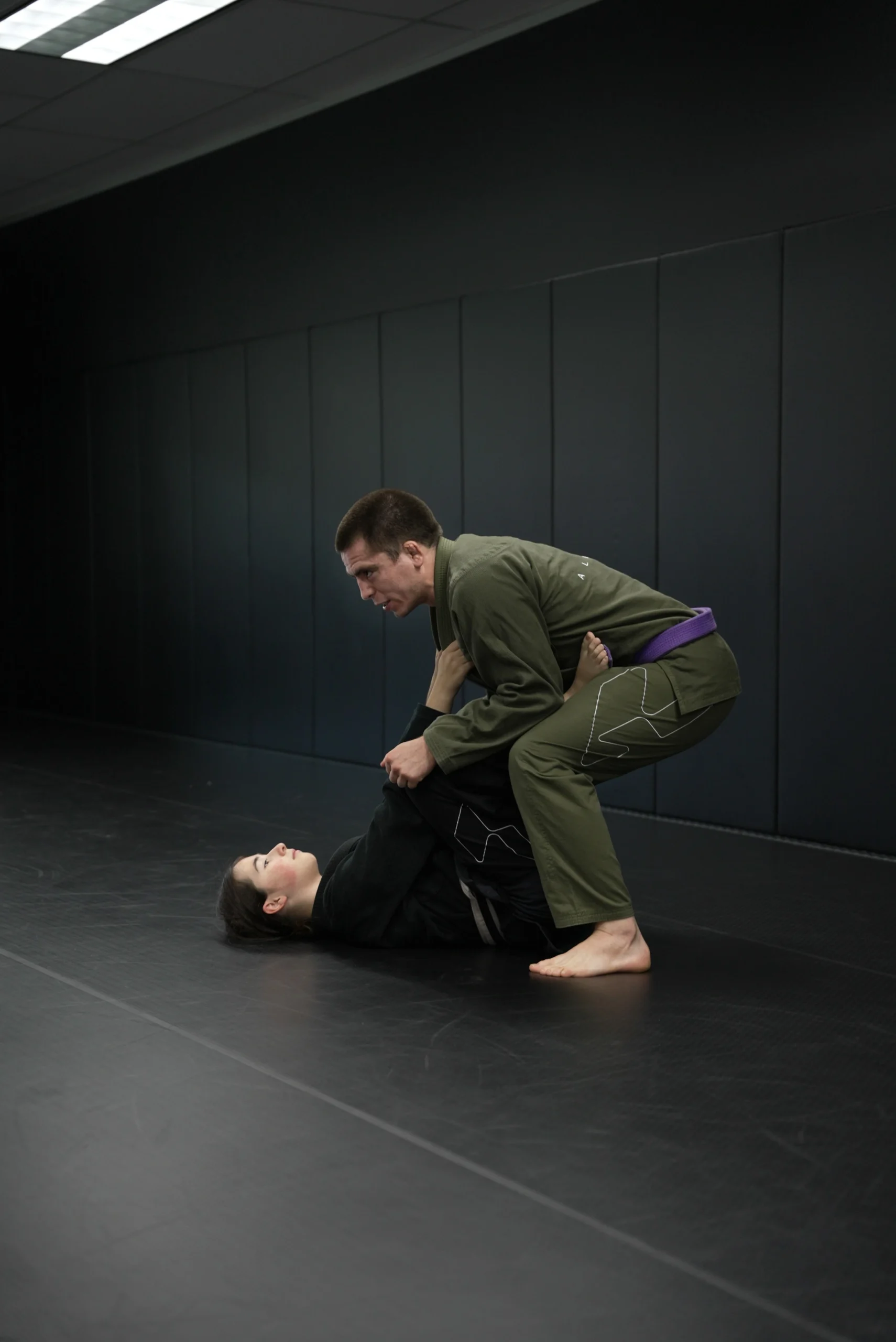
The Fundamentals of Staying Defensive on the Mats
Starting Brazilian Jiu-Jitsu is one of the most exciting journeys you can embark on, but it often comes with a steep learning curve. As a new practitioner, you will likely spend a lot of time on your back trying to prevent your opponents from passing your guard. Developing a strong system of BJJ guard retention for beginners is the ultimate way to feel safe, conserve energy, and build a defense that works in any sparring scenario.
Understanding these protective mechanics early on transforms BJJ from a game of survival into one of strategic control. At Alkimi Jiu-Jitsu, our martial arts & self-defense training focuses on delivering a structured progression where you learn the proper alignment, distance management, and hip mobility right from day one on our Austin, Texas mats.
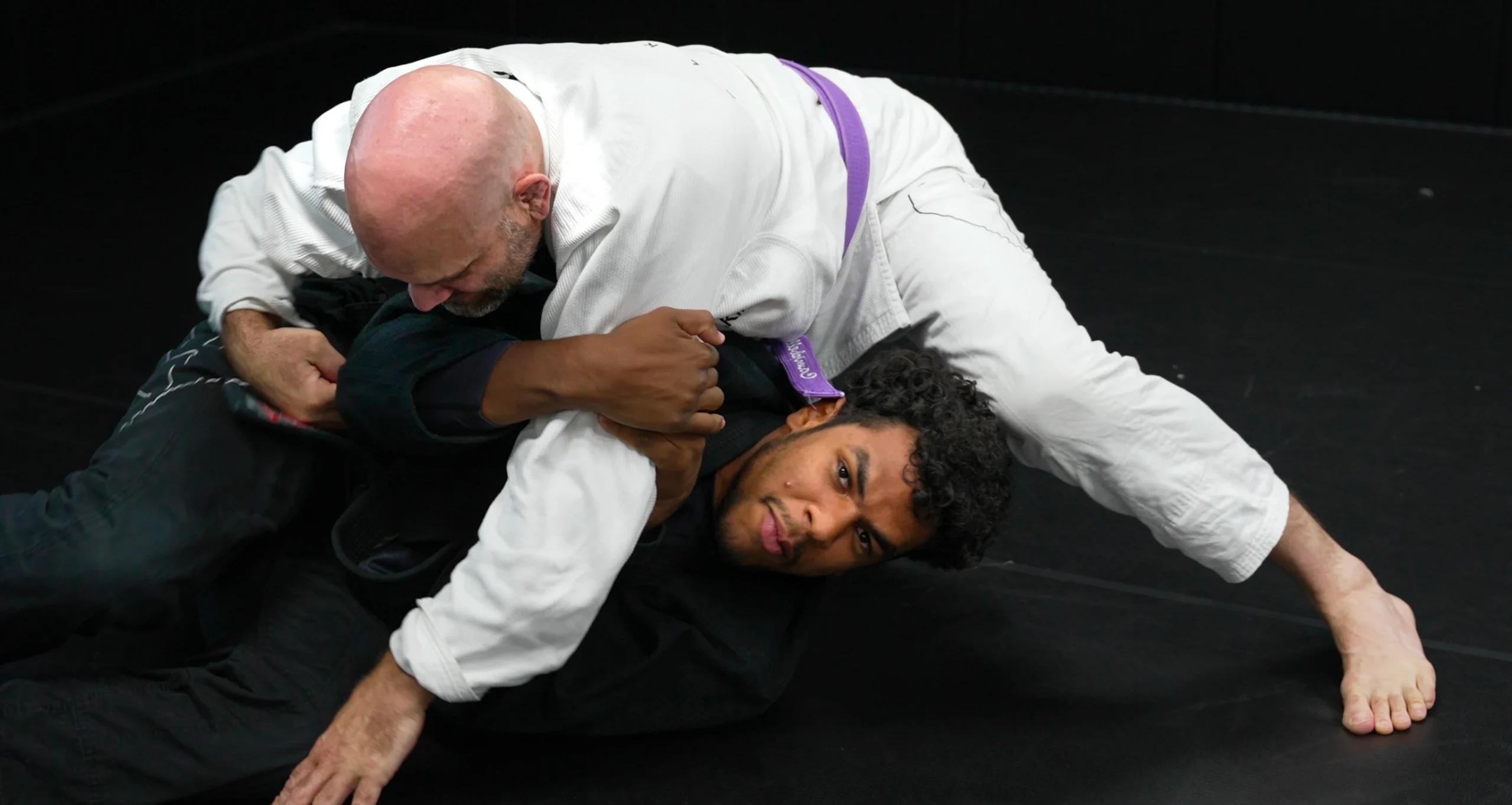
DISCOVER Alkimi Jiu-Jitsu
CLICK HERECore Principles of BJJ Guard Retention for Beginners
A reliable defense does not require speed or extraordinary flexibility; rather, it relies on structured mechanics that naturally stop your partner’s advance. These fundamental guidelines will form the basis of your guard game.
The Concept of Framing
Framing is the use of your bones—primarily your forearms, elbows, and shins—to create rigid, structural barriers between you and your opponent. By using bone alignment instead of muscular strength, you can easily hold back someone who is much heavier than you.
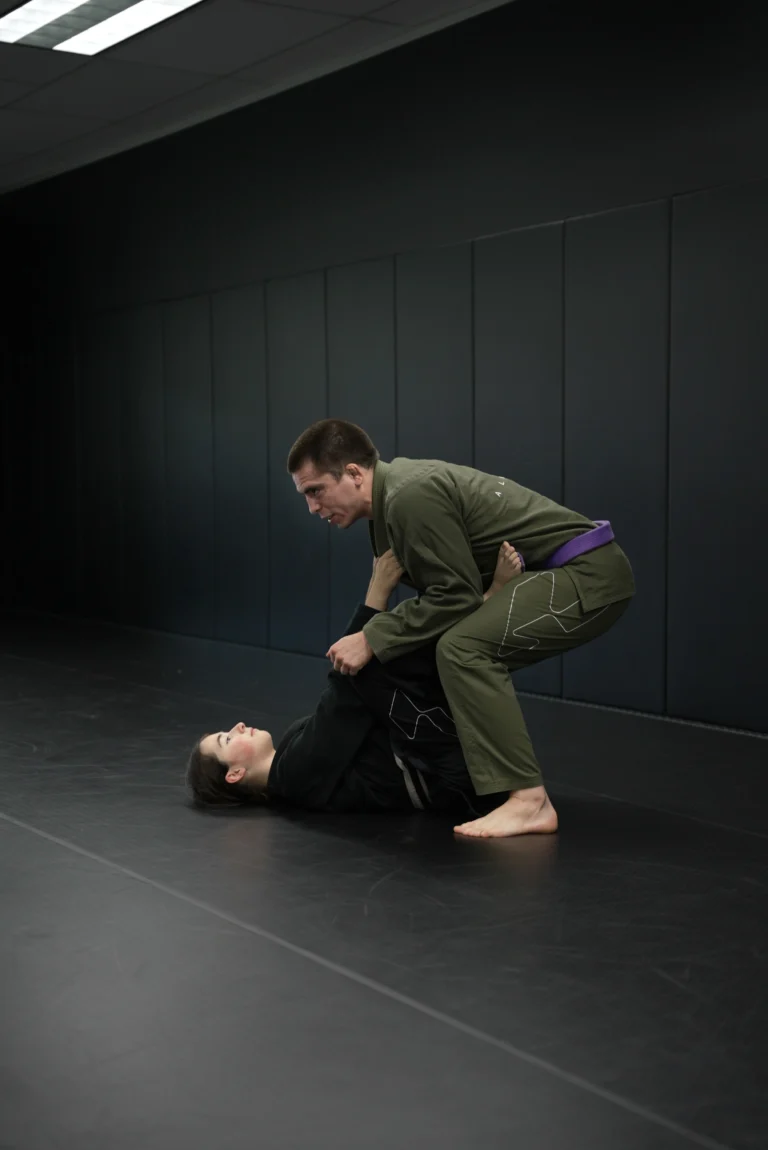
When an opponent tries to pass, placing your shins across their hips or hands against their shoulders stops them from collapsing your space. It is a critical aspect of BJJ guard retention for beginners that preserves your energy and prevents flattening.
Distance Management
Your guard is only effective if you can keep your opponent at a distance where they cannot control your head or hips. Beginners should focus on using their feet, knees, and hands to actively push, pull, or redirect the passer’s incoming momentum.
Keeping a safe distance requires you to constantly adjust based on your opponent’s posture. If they get too close, your barriers must engage immediately; if they step back, you must follow to deny them the space they need to run around you.
Hip Mobility and Shrimping
Your hips are the steering wheel of your guard retention, allowing you to quickly face your partner and keep your legs between both of you. Flat hips on the mat make you an easy target, whereas active hips make passing extremely difficult.
Mastering the shrimp—or hip escape—is the ultimate way to recover your guard when someone begins to pass. Pushing off the mat, lifting your hips, and sliding them away creates the space needed to bring your knees back into defensive positions.
Recognizing the Passer’s Goals
To keep your guard, you must understand what your opponent is trying to achieve: they want to control your hips, bypass your knees, and pin your shoulders. Anticipating these objectives allows you to actively deny their grips and movement.
When you see them trying to grab your pants or push your knees down, you can counter by breaking their grips or shifting your hips. Preventing their control from the start is much easier than fighting to escape once they have already passed.
Primary Guards to Practice for Solid Defense
While there are dozens of complex guards in Jiu-Jitsu, focusing on a few foundational variations will yield the best results for a beginner. These classic setups teach you how to use your legs to maintain a strong barrier.
The Closed Guard
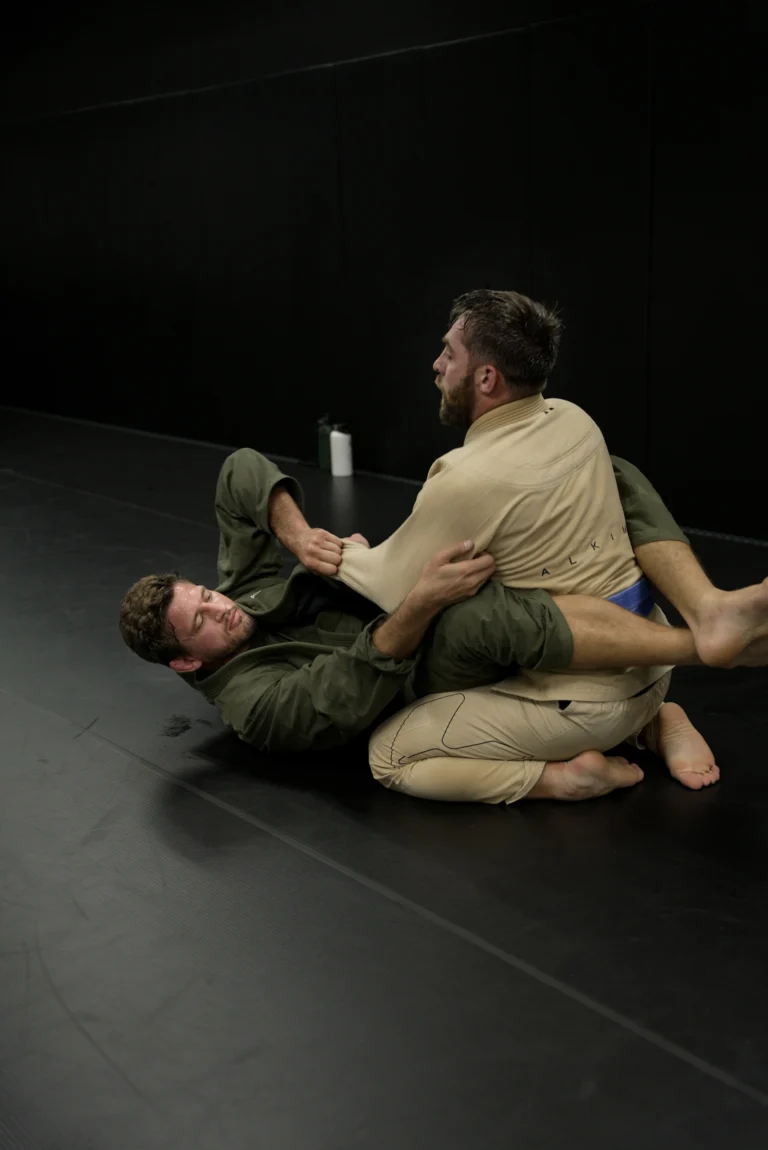
The closed guard is the most traditional starting point, where you wrap your legs completely around your opponent’s torso and lock your ankles. This position gives you a high level of control over their posture and minimizes their passing options.
Maintaining closed guard involves breaking their posture using your legs and grips on their collar or sleeves. Building these essential skills for beginner Jiu-Jitsu early on provides a safe haven on the mat, letting you seek sweeps or submissions.
The Half Guard
Half guard occurs when you trap one of your opponent’s legs between both of yours, creating a half-defensive, half-offensive scenario. It is a highly resilient position that is often easier to find and maintain when scrambling back from a bad spot.
From the half guard, the key is to stay on your side and use an “underhook” or a knee shield to prevent your partner from flattening you. This prevents them from applying direct pressure, giving you a safe way to transition back to a full guard.
The Open Guard and Knee Shield
Open guard is any position where your feet are free and you use them directly against your opponent’s hips, thighs, or shoulders to manage distance. A common variation is the knee shield, where you place one shin diagonally across their chest.
The knee shield acts as a powerful diagonal frame that blocks their forward pressure while your other leg controls their hip. It is a fantastic open-guard choice for beginners, buying you time to make grips and work your sweeps or escapes.
Essential Drills and Habits to Build Your Retention
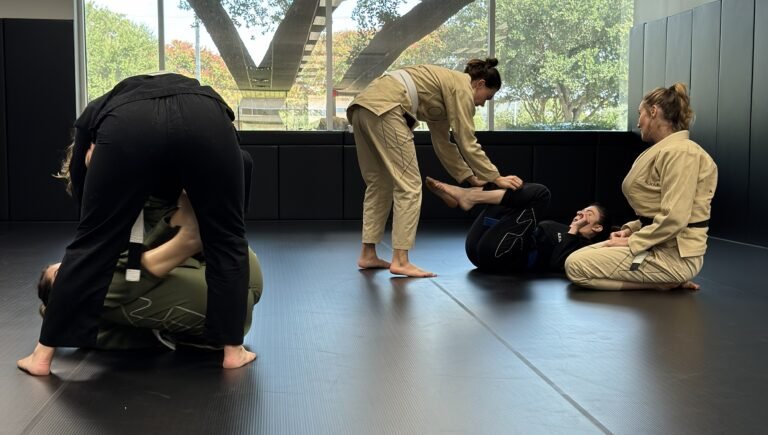
Defensive reactions must become instinctive, and the only way to achieve that is through focused, repetitive practice. Incorporating these simple habits into your training will drastically speed up your progress.
The Solo Shrimping and Bridge Drill
The bridge and shrimp are the absolute backbones of guard retention movement, and they should be drilled during every warm-up. Bridging allows you to create quick upward space, while shrimping lets you escape your hips to the side.
Practice sliding your hips out as far as possible while keeping your elbows in and your hands up defensively. These solo movements will quickly translate into natural on-the-mat reactions when someone puts pressure on you during sparring.
The Partner Bullfight Drill
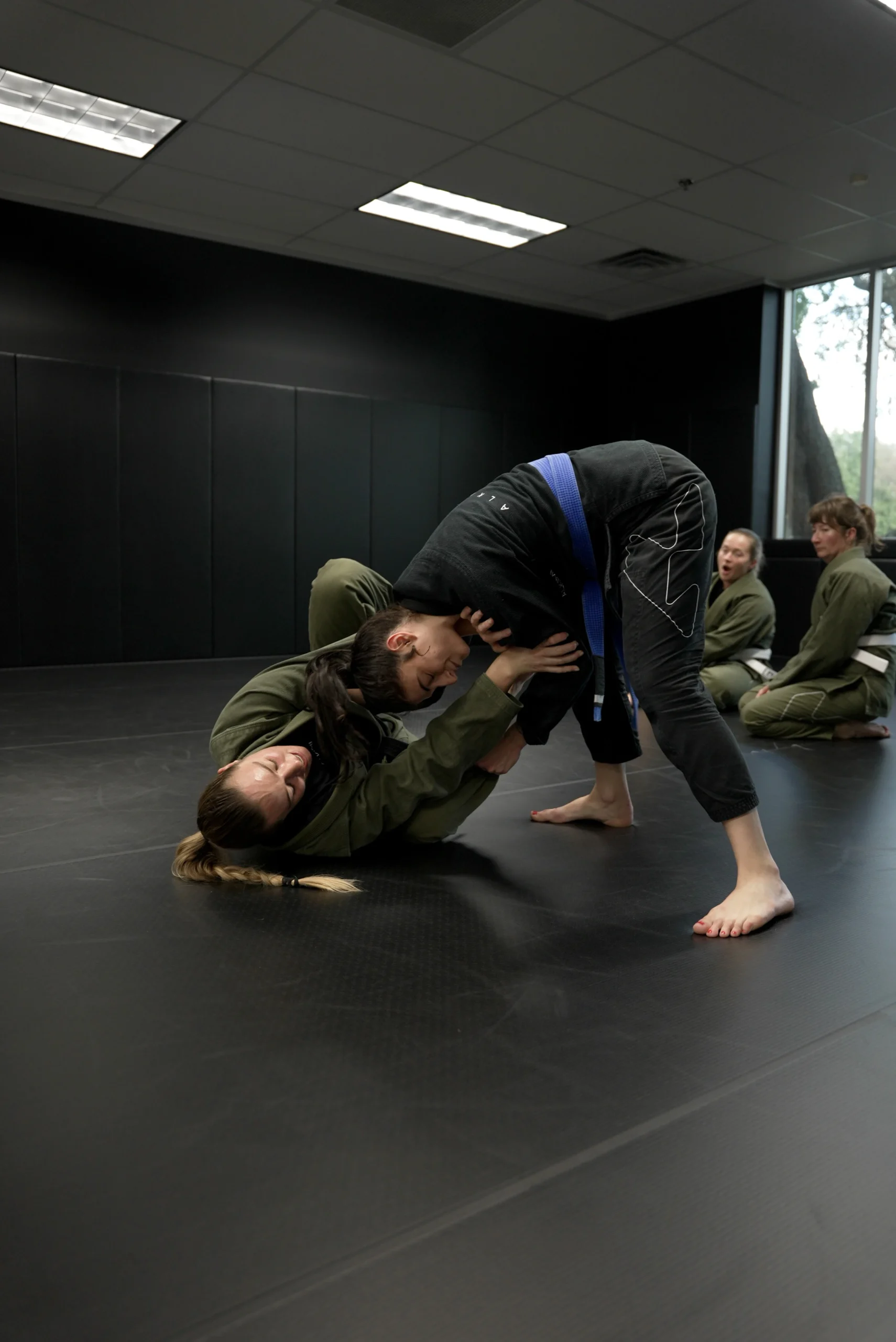
The bullfight (or toreando) pass is one of the most common passing attempts you will encounter, and defending against it is highly active. In this drill, your partner tries to grab your knees and throw your legs to the side, while you focus entirely on your movement.
As they try to throw your legs, you must use your hands to frame their shoulders, go light on your hips, and spin to face them. Keeping your knees to your chest and following their movement prevents them from getting past your hips.
Hip Escape and Reguarding
This drill teaches you how to recover a full guard after an opponent has already bypassed your knees and is near your side. You start with your partner pressing side control, then use a bridge and a shrimp to insert your knee back inside.
Creating that small sliver of space is all you need to slide your knee across their belly and swing your other leg over. Mastering this recovery process will make you feel confident and relaxed, even when your partner gets close to passing.
Scientific Alignment and Progressive Learning
True defense is a science, not a scramble. At our academy, we emphasize the biomechanics behind every movement, ensuring you understand exactly why and how your bones should align to halt an opponent’s weight. Our South Austin training environment is specifically designed to make these complex concepts accessible and safe for everyone.
Under a highly structured pedagogy, we guide you step-by-step through the underlying leverage and natural movement patterns of BJJ. By focusing on attention to detail and safe practice, our fundamentals program ensures you develop a strong technical foundation without relying on force or athletic superiority.
From Defense to Offense: Natural Progression
Solid BJJ guard retention for beginners is never just about stopping the passer; it is the essential gateway to mounting your own offense. When your opponent realizes they cannot pass your frames, they will inevitably make mistakes, create space, or overcommit their weight.
It is in these precise moments of frustration that you can easily transition into sweeps, submissions, or back takes. By mastering these survival mechanics, you will build the confidence required to truly enjoy the game of Jiu-Jitsu. We look forward to seeing your defense grow in our next training session!
DISCOVER Alkimi Jiu-Jitsu
CLICK HEREJoin the Community and Transform Your Defense
Improving your defense requires consistent practice in a supportive and disciplined training environment. Focusing on the fundamental mechanics of BJJ guard retention for beginners is the fastest way to turn your struggles on the mat into technical triumphs, letting you handle rolling with patience and control.
At Alkimi Jiu-Jitsu, we are proud to support practitioners from South Austin, Downtown Austin, Zilker, South Lamar, South Congress, and West Lake Hills on their grappling journey. Whether you are stepping onto the mats for the very first time or returning after years away, come experience our premium, structured classes—request your trial today and elevate your guard defense!