Use a Missed Technique to Understand Your Game
A pass gets stopped, an escape stalls, or the same position keeps catching you. These moments are part of training. To learn from jiu-jitsu mistakes, identify the decision or movement that changed the exchange, then give that detail a purpose in your next round.
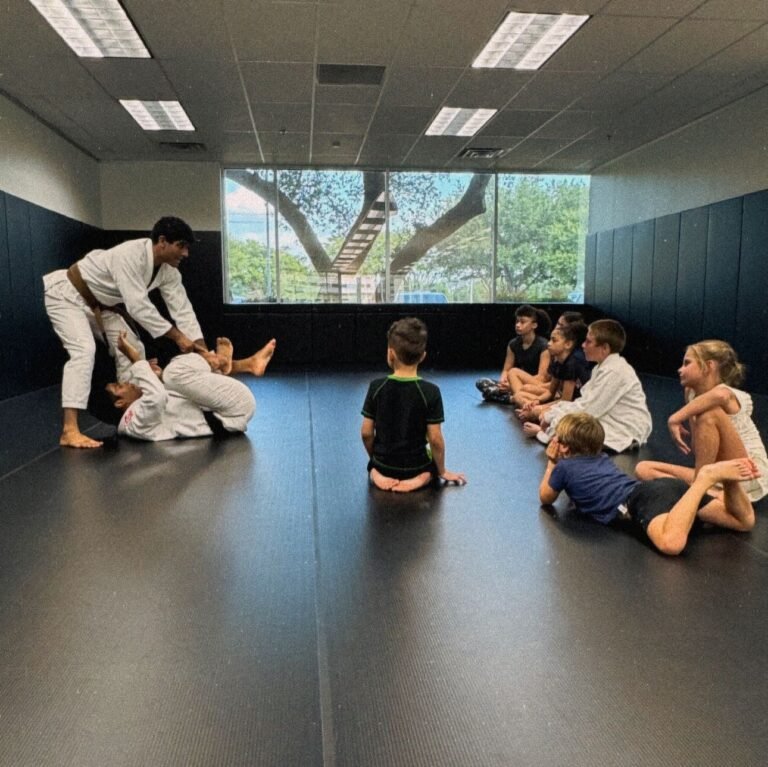
At Alkimi Jiu-Jitsu in South Austin, technical questions belong on the mat. A missed attempt is a chance to understand how position, leverage, and a partner’s response fit together. The goal is to leave with something specific to practice.
DISCOVER Alkimi Jiu-Jitsu
CLICK HEREFind the Cause Behind the Result
The final position tells you how an exchange ended. Understanding why it ended there requires looking at what happened earlier, before your options became limited.
Separate the Outcome from the Error
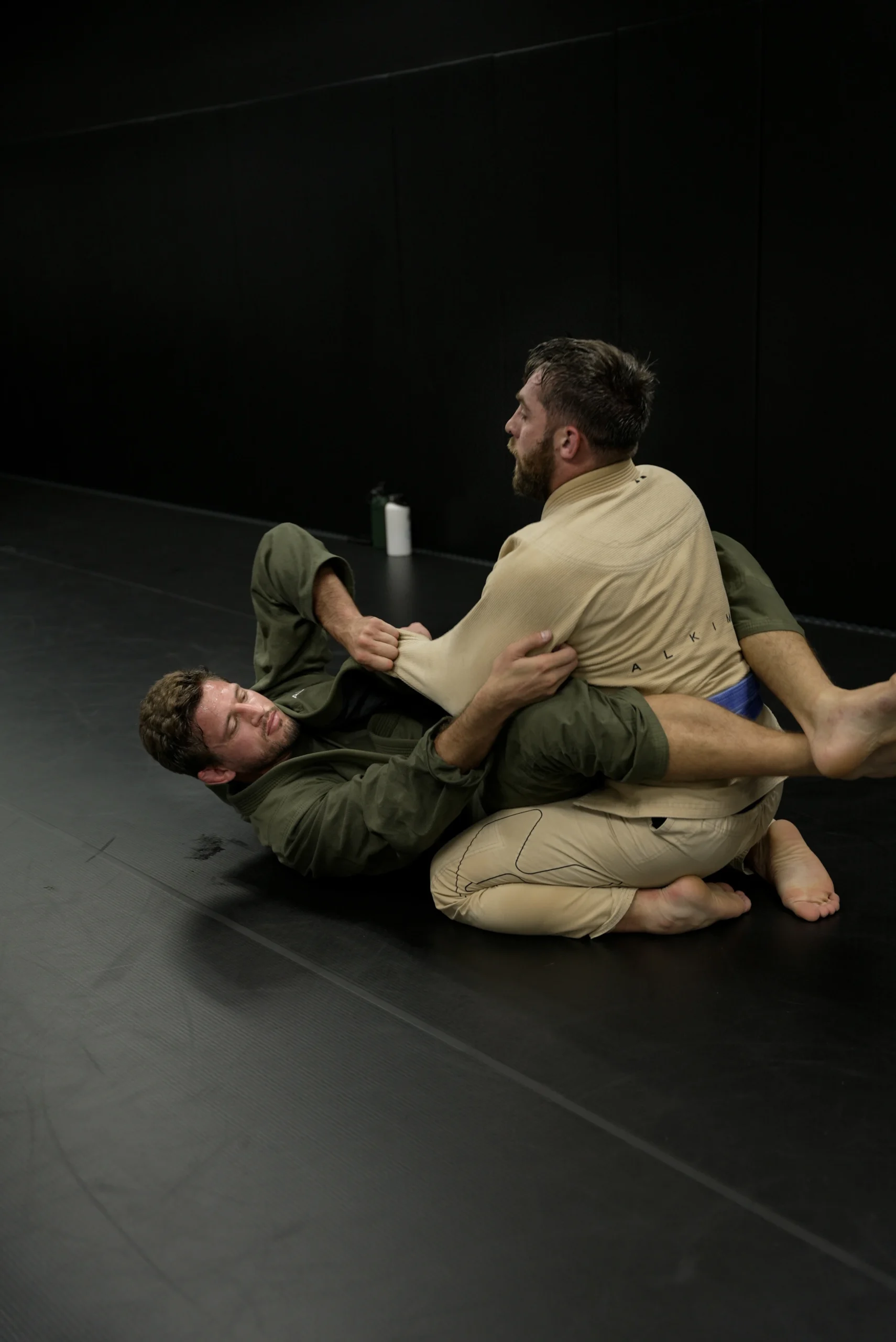
Being swept does not reveal the whole mistake. You may have leaned too far, lost a supporting grip, or reacted late to your partner’s movement. Those are different problems, even when they produce the same result.
Describe the action that preceded the outcome: “I reached forward and lost my balance.” That observation is easier to address than deciding your entire guard or passing game needs rebuilding after one difficult round.
Check the Starting Position
A technique demonstrated against one posture may require an adjustment against another. Before deciding a movement failed, compare the distance, grips, and body position with the setup you were taught.
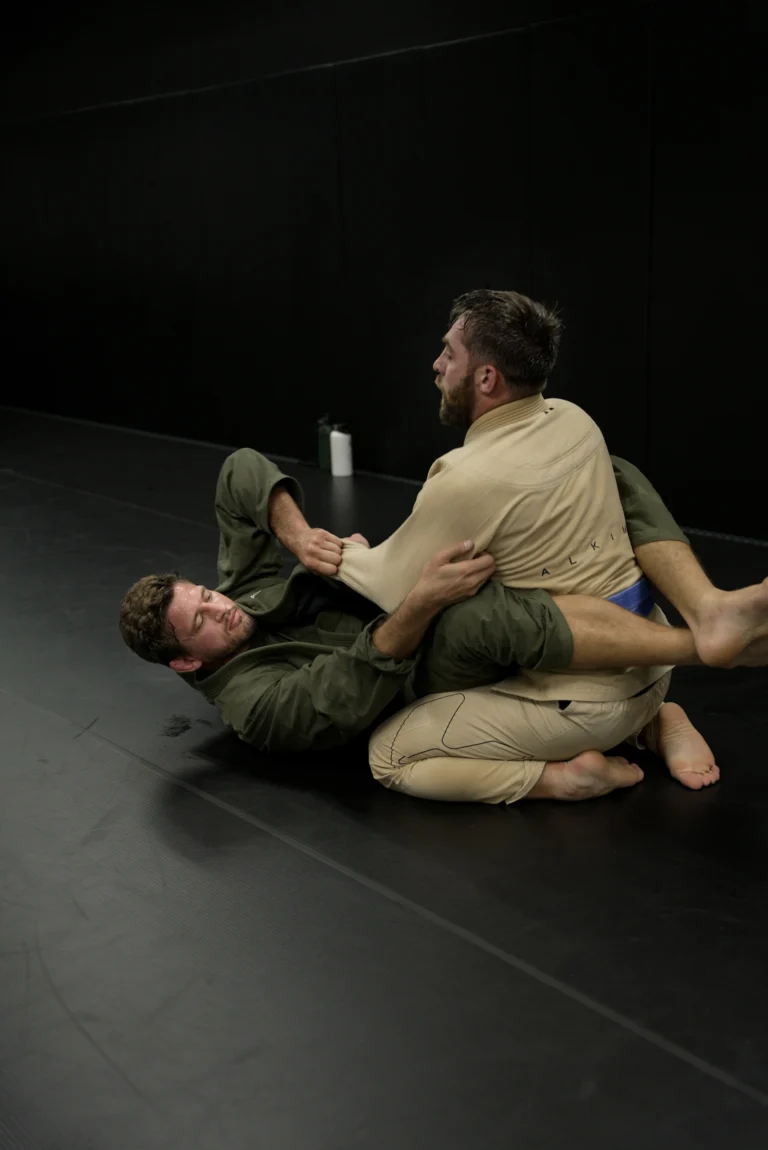
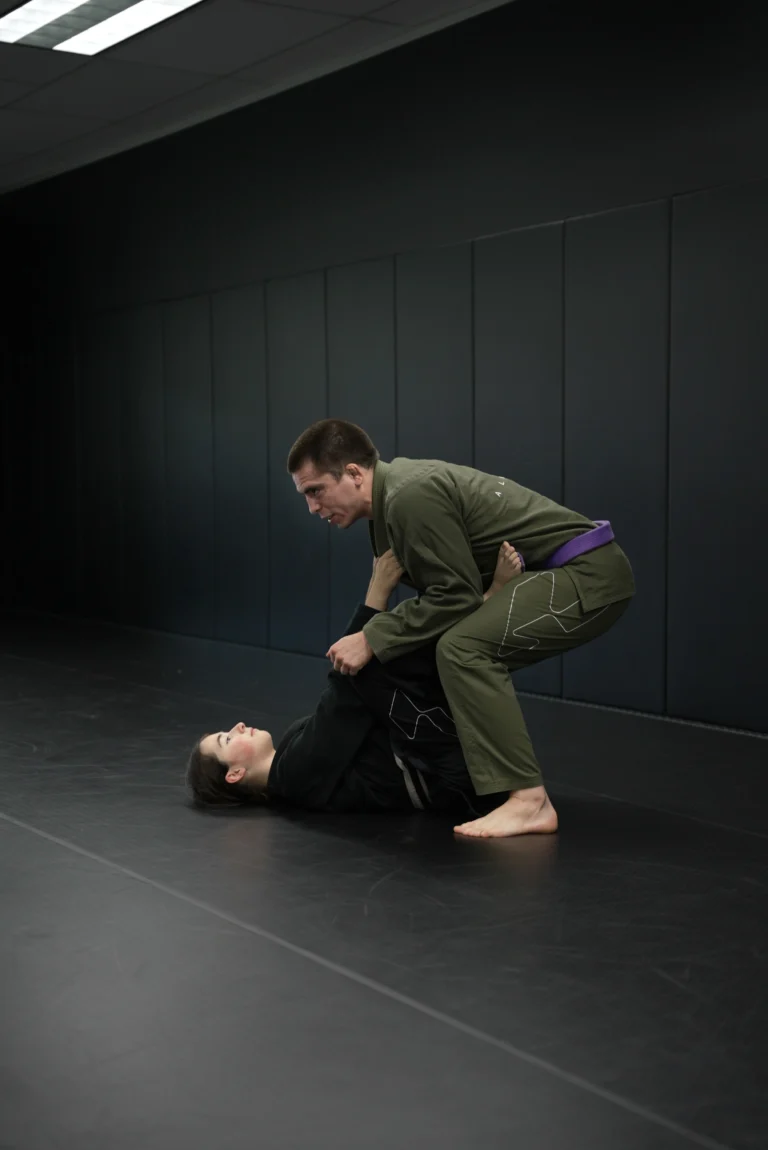
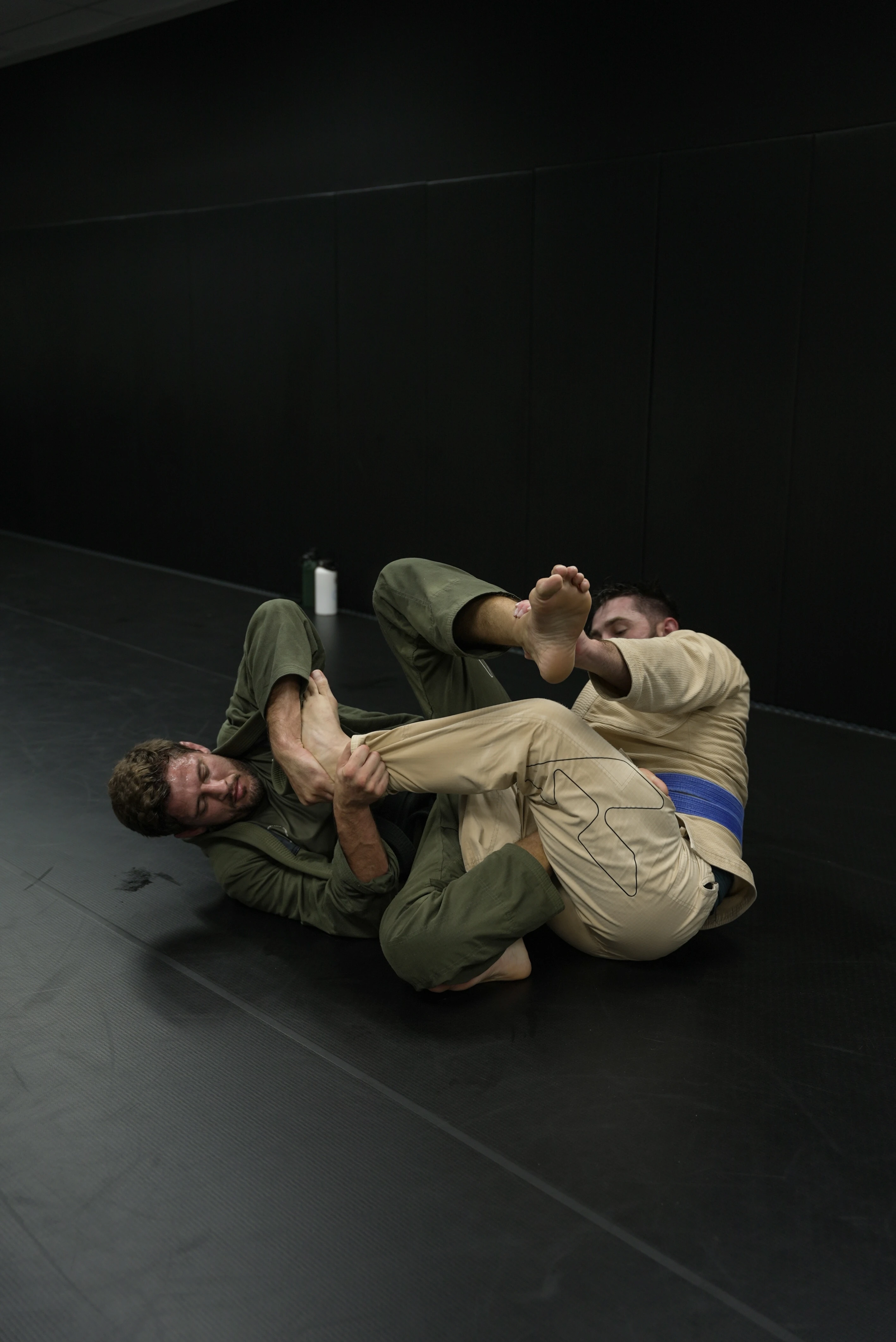
During guard retention practice, for example, notice whether your partner had already moved beyond your knees before you reacted. That is a different starting problem from maintaining distance while the legs are still between you.
Look at the Transition Before the Finish
The most visible part of a technique often receives the most attention. An escape’s final movement, however, depends on the space created beforehand. Repeating the finish will not explain why that space never appeared.
Reconstruct the sequence backward: where did the movement first become restricted? Identifying that transition gives your instructor a useful place to examine.
Distinguish Timing from Technique Selection
Sometimes the movement fits the position, but the opportunity has passed. In other cases, you are applying a familiar technique to a situation that calls for something else.
Ask whether you needed to act earlier or choose a different response. This distinction helps you learn from jiu-jitsu mistakes without treating every unsuccessful attempt as evidence that you need to move faster or use more strength.
Learn from Jiu-Jitsu Mistakes Through Focused Practice
Once you understand the likely cause, organize practice around it. A useful correction should produce a change you can recognize, rather than adding several new instructions to every attempt.
Ask for Feedback That Describes an Action
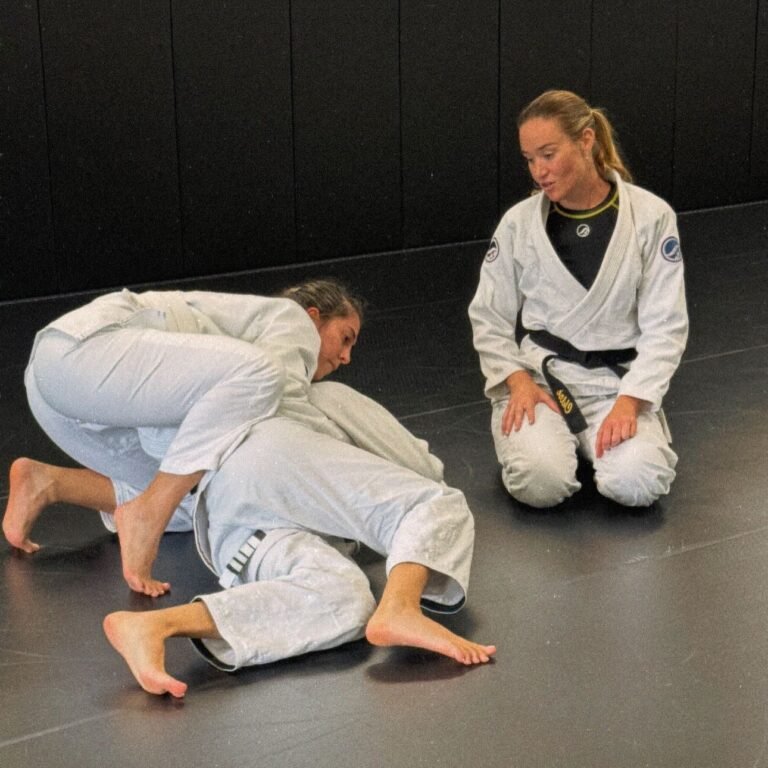
“My escape stops when I try to turn” gives your coach a specific moment to inspect. Demonstrate the problem with your partner when appropriate, so the feedback addresses what you are doing rather than an incomplete description.
Listen for an actionable correction: change a contact point, establish a grip earlier, or adjust your direction. Follow jiu-jitsu mat etiquette by waiting for a suitable pause and returning your attention to the group when instruction resumes.
Use a Consistent Partner Response
To evaluate an adjustment, begin with the response used in the demonstration. If your partner changes posture, grips, and resistance on every repetition, it becomes difficult to tell whether the correction itself is helping.
Agree on the assigned action before starting. Switch roles according to the class instructions so both people have time to practice.
Increase the Challenge Gradually
A movement that works cooperatively still needs practice against changing reactions. When your instructor introduces resistance or positional rounds, keep the same technical focus while allowing the situation to become less predictable.
Notice which part survives that change. You may establish the grip correctly but lose the next transition.
Judge Progress by Better Decisions
Not every useful adjustment produces an immediate sweep, escape, or pass. Earlier recognition and a more appropriate response are also meaningful changes in how you handle a position.
Reset When Frustration Changes Your Pace
Frustration can turn a measured drill into hurried repetitions. If you begin skipping the setup or forcing the final movement, pause before continuing. Restore the assigned position and the agreed pace with your partner.
A reset protects the purpose of the exercise. It also keeps a technical problem from becoming a contest over who can resist harder. Stop immediately at a tap or request to stop, regardless of how close the movement feels.
Compare Similar Attempts
Evaluate the correction under comparable conditions. Applying a movement against a cooperative partner and attempting it against a more experienced partner in sparring are different tests. The outcomes should not carry the same meaning.
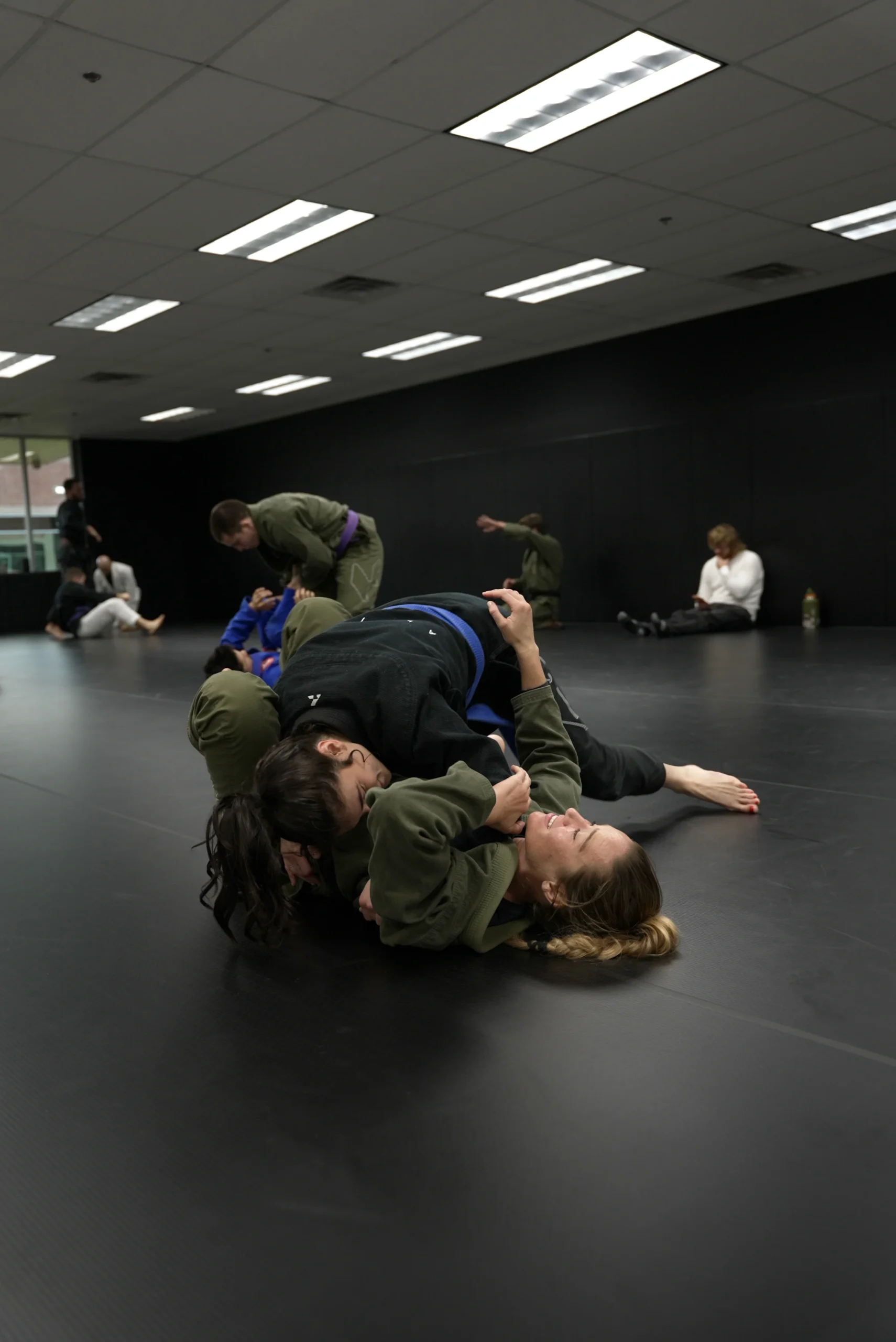
Look for a concrete difference: you recognized the threat sooner, kept a useful grip, or recovered before the position deteriorated. Building confidence through adult training includes recognizing these improvements alongside the exchanges that remain difficult.
Choose What Deserves Another Session
A recurring error deserves more attention than an isolated unfamiliar situation. If the same grip, posture, or reaction keeps causing trouble, carry that issue forward.
Keep a brief reminder of the correction and when it applies. One useful entry might read, “Establish the starting grip before attempting the transition.” Review that detail when the position returns, rather than collecting a new goal every round.
Keep Technical Feedback Connected to Practice
Good feedback explains both the adjustment and its purpose. If you understand where to place a hand but not what it controls, clarify the connection. That understanding helps distinguish the lesson’s essential detail from a variation.
Bring recurring difficulties to your instructor at Alkimi Jiu-Jitsu. Watching the actual exchange allows your coach to distinguish a setup problem from a decision that no longer suits the position.
Make Your Next Round More Specific
Choose one recurring situation, one adjustment, and one sign that the adjustment is helping. For example, focus on establishing a stable starting position before attempting the movement, rather than measuring the round only by its final result.
Afterward, decide whether the same issue needs more practice or whether a different part of the sequence now deserves attention. That decision gives the next session a clear direction.
DISCOVER Alkimi Jiu-Jitsu
CLICK HEREBuild Understanding Through Each Attempt
To learn from jiu-jitsu mistakes, connect an unsuccessful attempt with a cause you can investigate and an adjustment you can test. Repetition becomes more purposeful when you understand what you are trying to change.
Bring that approach to training in South Austin. At Alkimi Jiu-Jitsu, use each lesson to recognize a position more clearly, make a better decision, and develop the technical understanding behind your movements.